What’s Shaping Work: Choosing who – and what – to trust
In this What’s Shaping Work article, Jacqui Barratt, Founder and CEO of Salt APAC, explores why trust and expertise have become valuable filters in a world full of competing information. Drawing on conversations with business leaders, clients, colleagues, and others across APAC and two practical trust frameworks, Jacqui shows how expertise and human connection can help us navigate the noise.
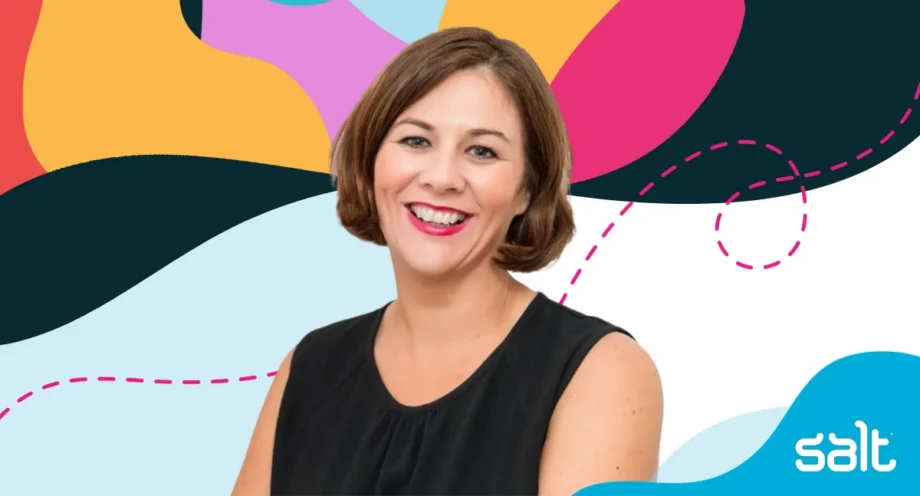
In What’s Shaping Work, Jacqui Barratt, Founder and CEO of Salt APAC, shares practical observations on the people, leadership, and workforce challenges shaping organisations across APAC. Drawing on more than 30 years of experience navigating the evolution of recruitment and the world of work, and conversations with business leaders, HR professionals, hiring managers, and candidates, Jacqui offers frameworks, insights, and practical questions designed to help organisations make better people decisions. Every article reflects real experiences, real conversations, and the belief that while technology can support better decisions, human judgment remains essential.
I love that I have the opportunity to meet and talk to so many people from so many organisations in my role. Hearing individual and organisational stories, aspirations, triumphs, failures, opportunities, and challenges is endlessly inspiring.
Recently, I’ve spent time in each of our APAC offices and loved having face-to-face time with our clients. Thank you to everyone who shared their time, candour, and continued partnership. Regardless of industry, organisation, or role, two words came up time and again: trust and expertise. The sentiment was the same when I looked closer to home and reflected on discussions with family and friends.
Trust in a noisy world
Let’s face it: we’re bombarded daily with content from countless sources, and at times, it feels like a job in itself to sift through and hold onto what’s real and worth our attention. How do I cut through the clutter? What information can I trust? Whom do I believe? Who has deeper expertise?
You can read five articles about the same topic, and all five will provide conflicting information or recommendations. LinkedIn will likely have told you that around 150 different skills and competencies are needed to be a successful leader. TikTok may have shown you a video containing around 60% non-factual information. It’s exhausting!
Across my conversations with clients, candidates, and colleagues throughout APAC, we’ve continued to reinforce the importance of human connection. Underpinning that focus is one key ingredient: trust.
Two ways to think about trust
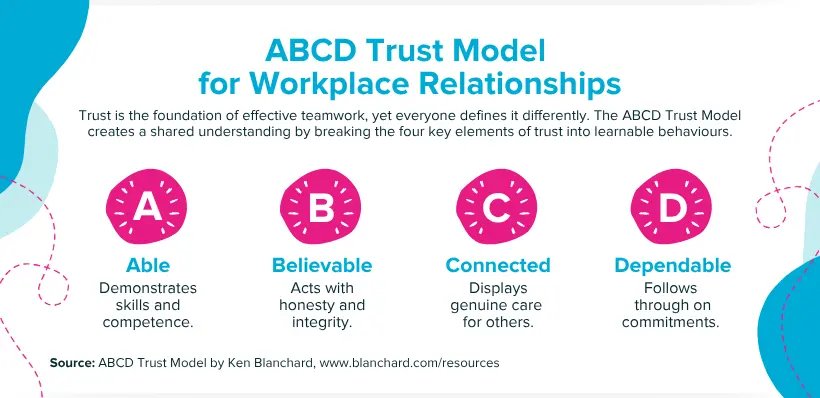
As an APAC team, we recently explored Ken Blanchard’s ABCD Trust Model and discussed how we can apply it to our daily behaviours, turning those that erode trust and act as barriers to human connection into those that build it. It’s no surprise that the “A” in the model relates to competence – or, as we think of it at Salt, expertise.
Thanks to Kirsti Grant at Auror, I was recently introduced to another trust framework: Shopify founder Tobi Lütke’s Trust Battery.
The basic premise is that when two people first interact, their trust battery starts at 50%, and every subsequent interaction either charges or depletes it. It’s a great way to think about individual and brand trust, and another helpful tool for filtering the noise.
The Trust Battery and the ABCD Trust Model offer different ways of thinking about the same idea: trust isn’t built all at once. It’s shaped by the quality and consistency of our interactions over time. In a world full of information, they remind us that expertise, credibility, and human connection remain some of the most valuable signals we have.