What makes a good leader in today’s digital era
Here are the leadership qualities you most need to develop in yourself and your team.

Leadership is more than a title. The characteristics of a good leader are a blend of qualities that inspire teams and drive companies forward. In today’s digital era understanding what makes a good leader is crucial, whether you’re aspiring to a leadership role yourself or trying to identify these qualities in candidates.
Today, effective leadership goes beyond traditional management tactics and experience. The modern workforce prioritises flexibility and purpose. Agile and composable methodologies, and flatter business structures, have grown in popularity. Perhaps more than ever before, a leader’s ability to listen and leverage the talent at every level of their team from the hiring process and beyond provides a crucial competitive edge.
If you are considering your next executive hire, getting that hire right is important. Simply put, the wrong leader costs businesses. They impact morale, productivity and progress. In Gallup’s State of the Global Workplace 2026 report, global employee engagement fell to 20%, its lowest level since 2020, costing the world economy an estimated US$10 trillion in lost productivity. Gallup’s research points to one driver above all others: manager engagement, which dropped sharply between 2022 and 2025. The takeaway for hiring teams is clear. Leaders directly shape workplace engagement, and the right leader has the power to help their employees thrive at work.
Our ultimate guide to what makes a good leader today explores what makes a good leader ‘good’. We focus on what qualities inspire teams and drive companies forward in the digital era, and share expert tips to keep in mind when sourcing and hiring leadership roles for your business.
What good leaders do differently?
Nearly 1 in 2 job seekers are looking for positions with more flexibility. Modern employees value work environments where flexibility isn’t just a perk but a fundamental aspect of the corporate culture.
The pros and cons of remote, hybrid or fully on-site work have been widely debated. But Gallup’s 2026 data tells a different story. Managers account for 70% of the variance in team engagement, which means the quality of leadership matters far more than where your team is based. If you’re hiring leaders for a distributed or hybrid team, the qualities and characteristics of a good leader become even more important, because they’re what hold the team together when proximity can’t.
“Managers used to enjoy an engagement premium at work, but they are increasingly only as engaged as those they lead.” — Gallup State of the Global Workplace 2026 Report
With this in mind, good leaders are those who:
- Foster engagement: Good leaders actively engage with their teams, creating an environment where every member feels involved and motivated to contribute.
- Encourage open dialogue: A great leader can listen attentively, ask meaningful questions, and understand diverse viewpoints, fostering a culture of open and honest communication.
- Empower their teams: Empowerment is a key trait of effective leadership. It involves entrusting employees with responsibilities and autonomy, allowing them to explore their full potential and have a significant voice in decision-making processes.
- Value employee perspectives: Leaders who value and consider their employees’ perspectives in decision-making processes often see higher levels of commitment and productivity in their teams, and can adapt to change faster and more effectively.
The 9 most important leadership qualities for your next hire
Effective leadership isn’t just about managing tasks or overseeing projects; it’s about embodying qualities that inspire, guide, and elevate those around you. This is particularly true in the dynamic and fast-paced digital industries Salt specialises in, where embracing change and adapting quickly are crucial to a competitive business.
Leadership involves a blend of traits and qualities of a good leader, each crucial for the success of a team and an organisation. Whether you’re looking to hire an aspiring leader or a seasoned manager, understanding and nurturing these essential character traits of a good leader can profoundly impact your team’s success and your organisation’s growth.
As specialists in digital and technology talent, we help businesses identify leaders who will built the teams who embody these qualities.
1. How to spot vision in your next leader
An effective leader possesses a clear and distinct vision for their team and the company. The ability to see the end goal and chart a clear path to get there is crucial. By communicating this vision consistently, clearly and simply, they will align everyone’s efforts towards common objectives, ensuring the team moves in the same direction.
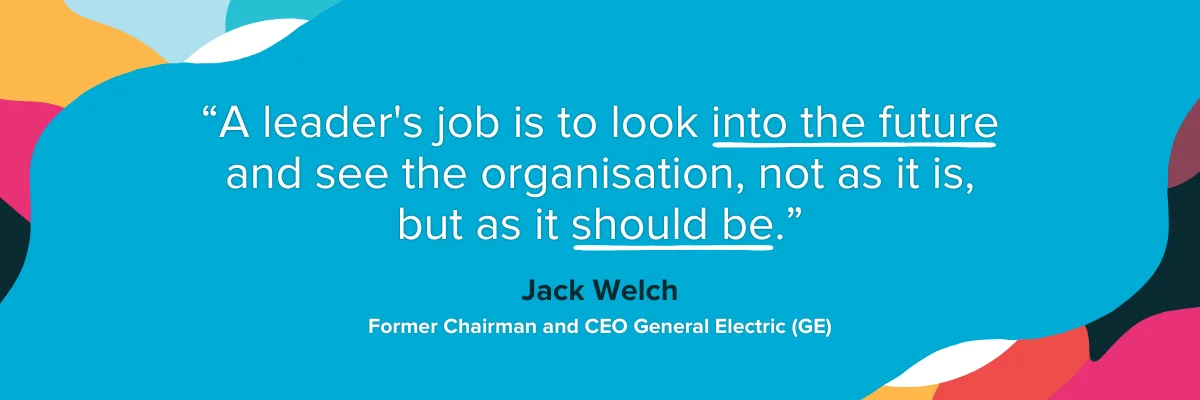
How do you identify vision in a leadership candidate? What’s their track record like? Try to look beyond the reports of success to the strategy at work. Does their approach to planning for the future align with yours? Have they led transformative initiatives? True visionaries are innovative. They’re not defined solely by their victories, but also by the lessons they learn from setbacks, so pay attention to how they navigate failures as well as successes.
What’s the best interview question to ask a visionary leader? With the future of the industry in mind, what is the one thing you’d most want to achieve in this leadership role in 5 years, and why is that your priority?
2. Identifying integrity before you hire
Integrity, the quality of possessing strong moral values and ethical principles, is at the heart of strong leadership. When you act with integrity, you earn the trust and respect of your team. Acting with integrity means owning mistakes, sharing credit where credit is due, openly communicating and making decisions transparently. Actions can drive a workplace grounded in ethical practices and honesty, setting a standard for everyone to follow. This approach fosters a culture of reliability and moral excellence.
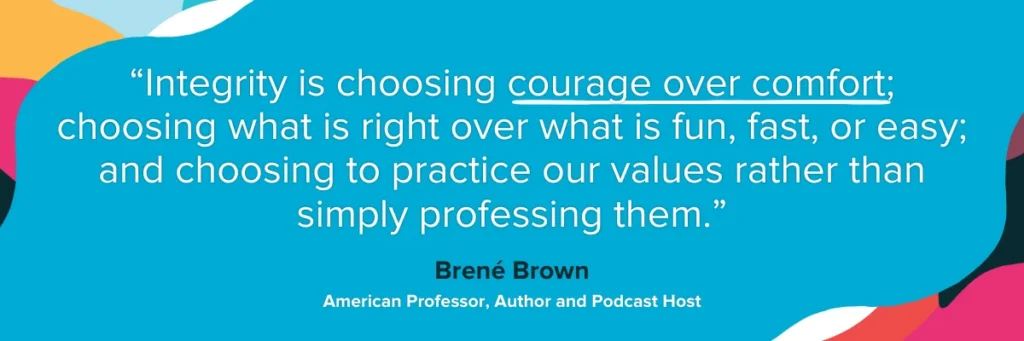
How do you identify integrity in a leadership candidate? Look at their career history and see how their ethics have shaped their decision-making, from where they’ve worked to what achievements they’ve chosen to highlight. What are their values, and do they align with yours? Ask for references from stakeholders, colleagues and subordinates. A leader with integrity is one who can own their own mistakes.
What’s the best interview question to ask a leader with integrity? How do you plan to gain the respect of your team? Reference what you’ve done in the past, and why it did or didn’t work.
3. How to recognise humility in a leader
Great leadership is characterised by humility. This is the ability to recognise your strengths, limitations and accomplishments, without arrogance or prejudice. A leader with humility prioritises the needs of their team — from their growth to their wellbeing. They’re self-aware, able to learn from others, and they give credit where credit is due. Humility fosters a collaborative environment where each team member’s contribution is valued and respected, creating a culture where ideas flourish without fear of ego or competition.

How do you identify humility in a leadership candidate? On their profile or in their application, look at the way they talk about achievements in past organisations. Do they share the credit and mention others involved? References from others also speak volumes about this leadership quality. What subordinates and colleagues have to say about a candidate will paint a clear picture of the relationships they have with those around them.
What’s the best interview question to ask a humble leader? Which of your weaknesses do you think most negatively impacts those around you, and how do you try to limit its impact?
4. Finding a leader who inspires
The ability to inspire and motivate is a defining trait of successful leadership. For example, energising teams during challenging times by inspiring enthusiasm and confidence. Inspiring leadership qualities could include encouraging open dialogue in your team, celebrating the small wins and leading by example. Being able to keep morale high and guide teams through obstacles with a positive attitude is key to success and navigating change effectively.
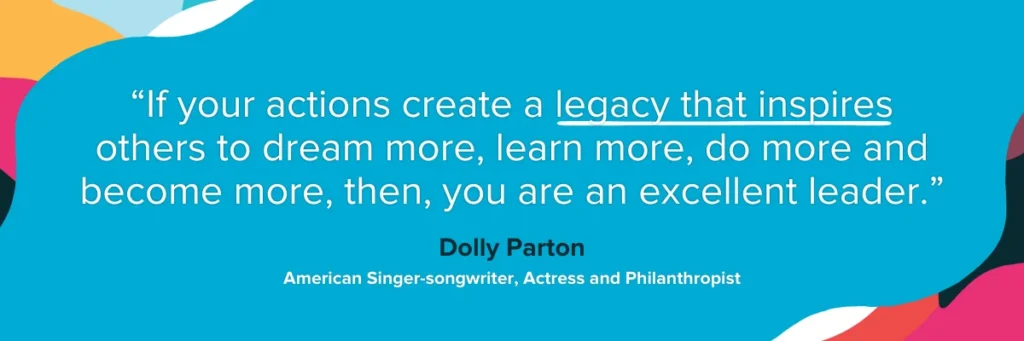
How do you identify an inspiring leadership candidate? Look at a candidate’s past experience and how long they led the team in their last place of work. If they have a public presence, such as content on professional forums or social media, consider their ability on their own platforms to inspire others. This could be work-related, or it could be their promotion of causes or personal projects. Consider including assessments and simulations in interviews to assess their strategic thinking and emotional intelligence, and test how they adapt their approach to persuasion in different contexts.
What’s the best interview question to ask an inspiring leader? Being specific about your past experiences, how have you successfully fostered a sense of purpose and passion within your team or teams?
5. How to spot empathy in an interview
Empathy is a cornerstone of impactful leadership. Leaders show empathy by understanding their team’s emotions and perspectives. This builds deep-rooted loyalty and trust, as team members feel genuinely cared for and valued beyond their professional contributions. Active listening skills and self-awareness are key in practicing empathy towards others.
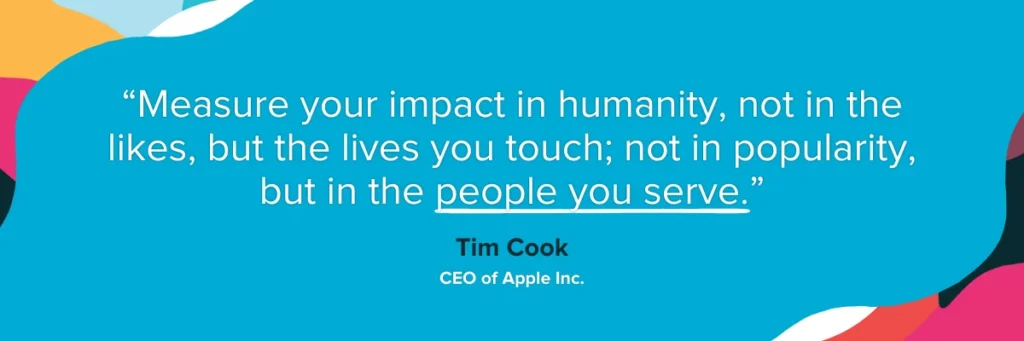
How do you identify empathy in a leadership candidate? Look for a history of collaborative work or participation in volunteering and personal projects with others, as this is a good indicator of a candidate with empathy and collaboration skills. Behavioural interview questions will help you assess their capacity for empathy in an interview. Ask about how they manage stress and resolve conflicts, both of which make practising empathy challenging.
What’s the best interview question to ask an empathetic leader? Talk us through a time someone you were managing made a mistake that set you back. What happened, and how did you respond?
6. Evaluating whether a leader empowers their team
An empowering leader is able to create an environment for their team or teams where autonomy is encouraged and upskilling is prioritised. This, in turn, leads to innovation and creating a culture of continuous learning, as team members feel trusted to take the initiative and make decisions, fostering a sense of ownership and driving individuals to contribute their best.
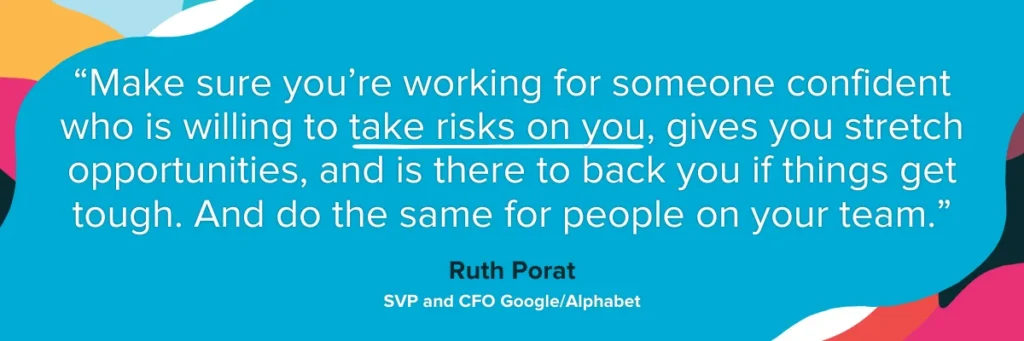
How do you identify an empowering leadership candidate? Reflect on the challenges your organisation faces and what qualities your empowering leader will need to overcome with their team. Use this list to write a clear set of criteria based on those desired qualities, which you can score each applicant against in an interview. Dig into how applicants have fostered growth and empowered teams previously, with a focus on strategy and approach as well as results.
What’s the best interview question to ask an empowering leader? How do you support your team in taking calculated risks?
7. How to recognise genuine passion
Passion as a leader is infectious. It’s the fuel that drives teams to engage with their work deeply. Inspiring those around you to approach tasks with the same level of energy and commitment with a well-rounded approach. It’s an important balance between passion and empathy so leadership roles don’t run the risk of overworking their teams or failing to understand their limitations or challenges.

How do you identify passion in a leadership candidate? Look for passion in how candidates discuss past initiatives and projects on their profiles, or gauge this in their response to interview questions about their experiences. Passion looks different to different people, so take a moment to reflect on what that means within your organisational culture and values. We’re often looking for enthusiasm, commitment and a proactive approach to problem-solving. After the interview, reflect on how effectively they communicated their passion. Did you feel inspired?
What’s the best interview question to ask a passionate leader? Talk to us about a project you’re passionate about and why. Depending on your experience, this could be professional or personal.
8. Spotting a leader who can delegate
Being skilled in the art of delegation is a key leadership quality in any modern workplace. Leaders should know how to allocate tasks efficiently. Micromanaging as a leader runs the risk of stifling creativity and compromising the productivity of your team. Allowing teams to take ownership of projects or tasks by creating clear roles and responsibilities is key to innovation and keeping your people motivated.
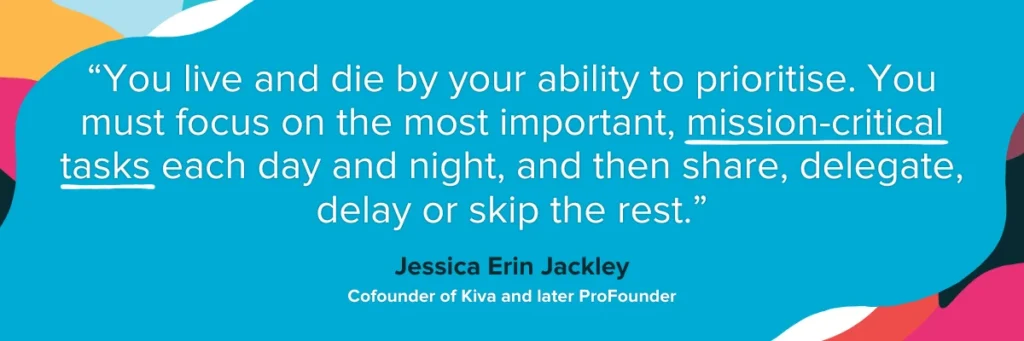
How do you identify strong delegation skills in a leadership candidate? To find a leader able to delegate, look for a candidate able to prioritise effectively, communicate tasks and expectations clearly, and trust their team to deliver independently. Delegation goes hand in hand with empowerment, and benefits staff at every level as they gain more responsibility in their roles, learning new skills and gaining experience along the way.
What’s the best interview question to ask a leader who can delegate? How would you decide what task to hand over to a member of your team when you’re low on time and resources, and what steps would you need to take to feel confident in their ability to deliver?
9. How to identify self-awareness before you hire
As a self-aware leader, it’s important to be aware of your own personal strengths, weaknesses, emotions, drives, and, importantly, biases. You must consciously evaluate your own traits and behaviours, as well as those of the team you manage. Self-awareness goes hand-in-hand with emotional intelligence (EQ), collaboration and communication. Self-awareness allows senior managers to interrupt bias, manage their own emotions, and continuously grow as both an individual and a leader.
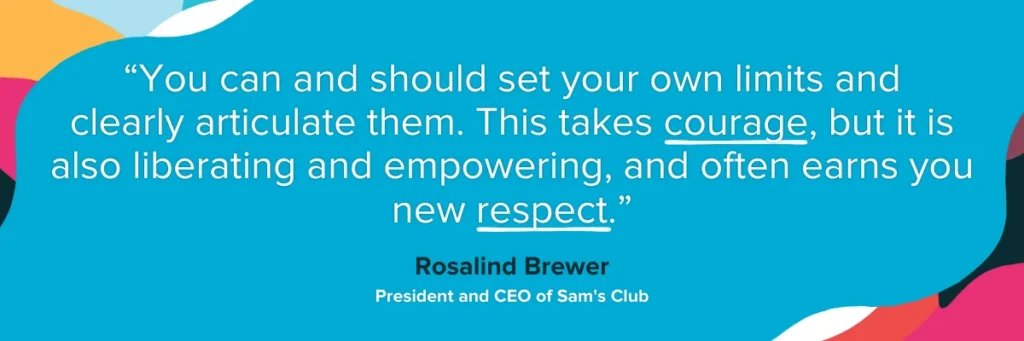
How do you identify self-awareness in a leadership candidate? A self-aware leader can demonstrate their emotional intelligence in the way they reflect on their workstyle, strengths, weaknesses and past career experiences. Self-awareness isn’t static, so you’re also looking for someone dedicated to continuous personal development and someone who’s able to learn from feedback or challenges. References from colleagues and subordinates can showcase how self-aware a candidate is in a leadership position, and how that impacts team dynamics.
What’s the best interview question to ask a self-aware leader? What was a moment of personal failure for you in your career? Why did it happen, and what learning did you take away from it?
Digital leadership: what good leaders do differently
Digital leadership is the ability to guide teams through constant technological change, and it’s become one of the most sought-after qualities in modern hiring. A digital leader doesn’t need to be the most technical person in the room. What they do need is the confidence to make decisions in fast-moving environments, the curiosity to keep learning, and the judgement to know when to adopt new tools and when to hold back.
Gallup’s 2026 findings make this even more pressing. Their research found that the single strongest predictor of successful AI adoption isn’t the technology itself. It’s whether employees have a manager who actively supports their engagement with new ways of working. In other words, the success of your digital transformation depends on the quality of your leadership.
When you’re hiring for digital leadership, look for:
Adaptability: Can the candidate point to specific moments where they’ve navigated a shift in tools, processes or team structure? Look for evidence of rapid course-correction, not just long-term planning.
Comfort with ambiguity: Digital projects rarely have a clear roadmap. Strong digital leaders make decisions with incomplete information and remain calm when priorities shift.
A learning mindset: The best digital leaders treat upskilling as part of the job, both for themselves and for their teams.
Strategic communication: They can translate technical complexity into business outcomes for stakeholders, and translate business goals into practical direction for their team.
If you’re building or scaling a digital leadership team, working with a specialist talent partner makes a measurable difference. Salt’s digital project solutions team partners with businesses tackling digital transformation, where leadership quality is often the deciding factor in whether the work succeeds.
How to hire a good leader: where a specialist partner helps
When you’re interviewing potential leaders, the candidates you see will often arrive with experience, confidence and a strong understanding of the industry. That can make it hard to evaluate their qualities or compare one strong leader to another. Working with specialist talent and hiring experts gives you a fuller picture of each candidate’s past experience and expert advice through the selection process.
At Salt, our recruitment solutions team helps you identify, attract and assess leadership candidates across digital and technology specialisms. For strategic hires that require deeper planning, our advisory and consultancy practice supports workforce design, succession planning and capability mapping. Both teams work alongside your existing hiring process to fill the gaps that an internal team alone often can’t cover.
It’s also worth thinking about how your brand shows up to leadership candidates before they ever apply. The strongest leaders are usually already in roles, which means attracting them means standing out as an employer. Our guide to employer branding in recruitment covers how to position your business to attract top-tier leadership talent.
Are you looking to step into a leadership role or find the ideal leader for your digital team?
Contact Salt today by selecting your nearest location below. We help organisations get leadership hiring right first time.
We are truly global: